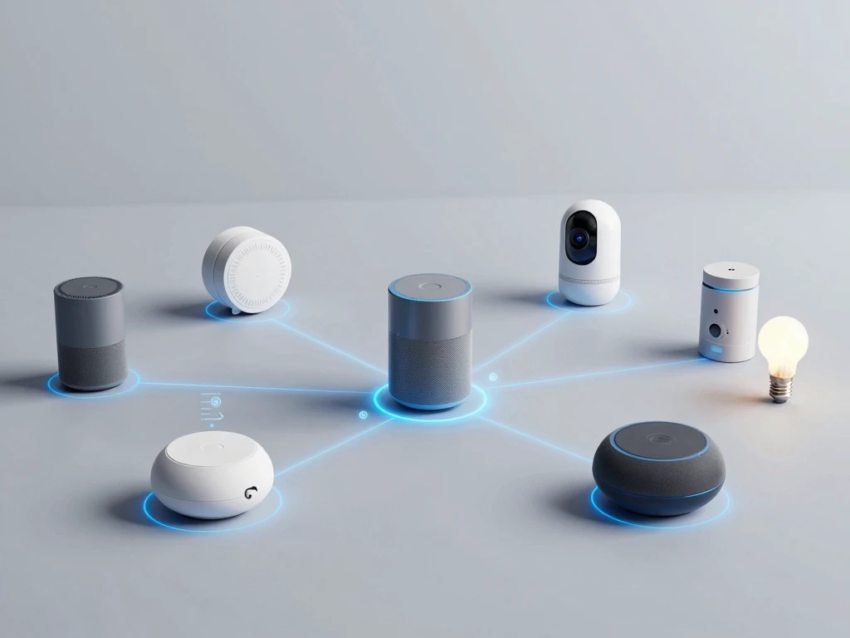
The Internet of Things (IoT) is transforming the way people live, work, and interact with technology. From smart homes and wearable fitness trackers to connected cars and intelligent factories, IoT is creating a world where devices communicate with each other through the internet. This growing network of connected devices is improving convenience, efficiency, and decision-making across industries.
As technology continues to evolve, the Internet of Things (IoT) is becoming one of the most important innovations of the digital age. Businesses, governments, and individuals are adopting IoT solutions to automate processes, collect real-time data, and enhance productivity.
In this beginner-friendly guide, you’ll learn what the Internet of Things (IoT) is, how it works, its benefits, applications, challenges, and why it is considered the future of connected devices.
What is the Internet of Things (IoT)?
The Internet of Things (IoT) refers to a network of physical devices connected to the internet that can collect, share, and exchange data without requiring constant human intervention. These devices are equipped with sensors, software, and communication technologies that enable them to interact with other devices and systems.
IoT devices can monitor their environment, process information, and perform automated actions based on the collected data. The goal of IoT is to create smarter systems that improve efficiency, reduce costs, and enhance user experiences.
Examples of IoT devices include:
- Smart thermostats
- Smartwatches
- Fitness trackers
- Security cameras
- Smart refrigerators
- Connected vehicles
- Industrial sensors
- Smart lighting systems
How Does the Internet of Things (IoT) Work?
IoT works by connecting devices through the internet and enabling them to communicate using sensors, software, and cloud technology.
The basic IoT process includes four key steps:
1. Data Collection
Sensors installed in IoT devices gather information such as temperature, movement, location, humidity, or energy usage.
2. Data Transmission
The collected data is sent through Wi-Fi, Bluetooth, 5G, or other communication networks to cloud servers or data centers.
3. Data Processing
Cloud platforms or edge computing systems analyze the incoming data to identify patterns, detect issues, or make intelligent decisions.
4. Automated Action
Based on the analysis, the system can automatically perform tasks, send notifications, or provide useful insights to users.
Key Components of IoT
The Internet of Things consists of several essential components.
Devices and Sensors
Sensors collect real-time information from the physical environment.
Connectivity
Communication technologies such as Wi-Fi, Bluetooth, Zigbee, and 5G connect IoT devices to the internet.
Cloud Computing
Cloud platforms store and process the large volumes of data generated by connected devices.
Data Analytics
Advanced analytics help organizations make informed decisions using IoT-generated data.
User Interface
Mobile apps and dashboards allow users to monitor and control connected devices remotely.
Applications of Internet of Things (IoT)
IoT is transforming numerous industries with innovative applications.
Smart Homes
Smart home devices allow homeowners to control lighting, heating, security cameras, and appliances remotely using smartphones or voice assistants.
Examples include:
- Smart thermostats
- Smart locks
- Smart lighting
- Smart speakers
Healthcare
IoT improves healthcare by enabling remote patient monitoring, wearable medical devices, and smart hospital equipment.
Applications include:
- Heart rate monitoring
- Blood pressure tracking
- Remote consultations
- Medication reminders
Smart Cities
Governments use IoT to improve urban infrastructure and public services.
Examples include:
- Smart traffic management
- Intelligent street lighting
- Waste management
- Air quality monitoring
Agriculture
Farmers use IoT devices to optimize crop production and reduce resource waste.
Applications include:
- Soil moisture monitoring
- Weather forecasting
- Smart irrigation systems
- Livestock tracking
Manufacturing
Industrial IoT (IIoT) helps manufacturers increase productivity through automation and predictive maintenance.
Benefits include:
- Equipment monitoring
- Production optimization
- Quality control
- Inventory management
Transportation
IoT improves transportation systems through real-time vehicle tracking and traffic management.
Examples include:
- Connected vehicles
- Fleet management
- GPS navigation
- Predictive vehicle maintenance
Retail
Retail businesses use IoT to improve customer experiences and inventory management.
Examples include:
- Smart shelves
- Automated checkout
- Personalized promotions
- Inventory tracking
Benefits of Internet of Things (IoT)
IoT offers several advantages for individuals and businesses.
Improved Efficiency
Automation reduces manual work and improves operational efficiency.
Real-Time Monitoring
IoT devices provide instant updates, allowing users to monitor systems remotely.
Better Decision-Making
Real-time data enables businesses to make informed and data-driven decisions.
Cost Savings
Predictive maintenance and automation reduce operational and maintenance costs.
Increased Productivity
Connected devices streamline workflows and improve overall productivity.
Enhanced Customer Experience
Businesses can deliver personalized services based on customer behavior and preferences.
Challenges of Internet of Things (IoT)
Despite its benefits, IoT also presents several challenges.
Security Risks
Connected devices can become targets for cyberattacks if not properly secured.
Privacy Concerns
IoT devices collect large amounts of personal and sensitive data, raising privacy issues.
High Initial Costs
Implementing IoT infrastructure may require significant investment.
Compatibility Issues
Devices from different manufacturers may not always work together seamlessly.
Data Management
Handling and analyzing massive amounts of IoT-generated data can be complex.
Internet of Things (IoT) vs Traditional Devices
Traditional devices usually operate independently and require manual control.
IoT devices, on the other hand:
- Connect to the internet
- Share data automatically
- Enable remote access
- Support automation
- Provide real-time insights
This connectivity makes IoT devices smarter and more efficient than traditional technologies.
Real-World Examples of IoT
Many people use IoT devices every day without realizing it.
Popular examples include:
- Smartwatches that monitor health and fitness
- Smart TVs connected to streaming services
- Smart doorbells with video monitoring
- Connected cars with navigation and diagnostics
- Voice-controlled smart speakers
- Home security systems
- Smart washing machines
- Wireless home automation systems
These devices make everyday life more convenient and efficient.
Future of Internet of Things (IoT)
The future of IoT is incredibly promising. As internet connectivity becomes faster with technologies like 5G and edge computing, billions of devices will become interconnected.
Future IoT developments may include:
- Fully automated smart homes
- AI-powered IoT systems
- Smart hospitals
- Autonomous vehicles
- Intelligent factories
- Precision agriculture
- Advanced environmental monitoring
- Connected energy grids
Experts predict that IoT will continue driving digital transformation across every major industry.
Why IoT Matters for Businesses
Businesses are increasingly investing in IoT to remain competitive.
IoT helps organizations by:
- Reducing operational costs
- Improving supply chain visibility
- Increasing productivity
- Enhancing customer satisfaction
- Enabling predictive maintenance
- Supporting data-driven decision-making
Companies that adopt IoT technologies can improve efficiency while creating new business opportunities.
Tips for Beginners to Learn IoT
If you’re interested in learning IoT, follow these simple steps:
- Understand the basics of networking and the internet.
- Learn programming languages such as Python or C++.
- Explore electronics using Arduino or Raspberry Pi.
- Study cloud computing platforms.
- Learn about sensors and microcontrollers.
- Build simple IoT projects for hands-on experience.
- Stay updated with emerging IoT trends and technologies.
Practical learning is one of the best ways to understand how IoT systems work.
Conclusion
The Internet of Things (IoT) is revolutionizing the way devices communicate and interact. By connecting everyday objects to the internet, IoT enables automation, real-time monitoring, and smarter decision-making across homes, businesses, healthcare, transportation, agriculture, and manufacturing.
Although challenges such as cybersecurity, privacy, and data management remain, the advantages of IoT continue to drive widespread adoption around the world.