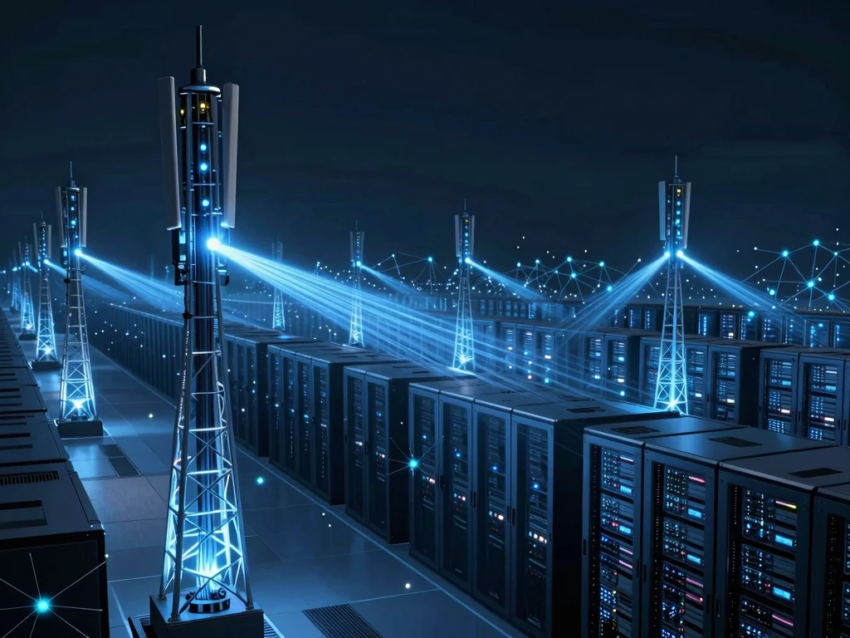
The world is rapidly moving toward an era where everything is connected, instant, and intelligent. At the center of this transformation are 5G and 6G technologies, which are revolutionizing how people communicate, work, and interact with digital systems. From ultra-fast internet speeds to real-time communication between machines, these next-generation wireless networks are shaping the future of connectivity.
While 5G technology is already being rolled out across many countries, 6G technology is still in development but promises even more advanced capabilities. Together, they represent a major leap forward from traditional mobile networks, enabling innovations like smart cities, autonomous vehicles, immersive virtual reality, and advanced artificial intelligence systems.
In this article, we will explore what 5G and 6G technologies are, how they work, their benefits, applications, challenges, and what the future holds for ultra-fast wireless connectivity.
What is 5G Technology?
5G (Fifth Generation) is the latest generation of mobile network technology that offers significantly faster speeds, lower latency, and higher capacity compared to 4G LTE. It is designed to connect not just smartphones but also machines, devices, and systems in real time.
5G networks can deliver speeds up to 10 Gbps, allowing users to download large files, stream ultra-HD videos, and play online games with almost no delay.
Key Features of 5G
- Ultra-fast data speeds
- Extremely low latency (as low as 1 millisecond)
- Massive device connectivity
- Improved network reliability
- Enhanced mobile broadband experience
5G is not just about faster internet; it is about enabling a fully connected digital ecosystem.
What is 6G Technology?
6G (Sixth Generation) is the next step in wireless communication, expected to launch commercially around 2030. It aims to build upon 5G technology by offering even faster speeds, smarter connectivity, and deeper integration with artificial intelligence.
Experts predict that 6G could reach speeds of up to 1 terabit per second, which is nearly 100 times faster than 5G.
Key Features of 6G
- Terabit-level internet speeds
- Ultra-low latency (near zero delay)
- AI-driven network optimization
- Holographic communication
- Advanced edge computing
- Fully immersive extended reality (XR) experiences
6G will likely transform communication into a more intelligent and immersive experience than ever before.
Difference Between 5G and 6G
While both technologies aim to improve connectivity, there are key differences between them:
| Feature | 5G | 6G |
|---|---|---|
| Speed | Up to 10 Gbps | Up to 1 Tbps |
| Latency | ~1 millisecond | Near zero |
| AI Integration | Limited | Fully AI-driven |
| Availability | Currently rolling out | Expected around 2030 |
| Applications | Smartphones, IoT, smart cities | Holograms, brain-computer interface, advanced robotics |
6G is essentially the evolution of 5G, taking connectivity to an entirely new level.
How 5G Technology Works
5G networks operate using a combination of advanced technologies such as:
1. Millimeter Waves
5G uses high-frequency radio waves that allow faster data transmission but have shorter range.
2. Small Cell Networks
Instead of large towers, 5G uses multiple small base stations to ensure better coverage and capacity.
3. Massive MIMO
Multiple Input Multiple Output (MIMO) technology uses many antennas to improve network efficiency.
4. Beamforming
This technique directs signals toward specific users instead of broadcasting in all directions, improving speed and reliability.
These technologies work together to provide faster and more stable connections.
How 6G Technology Will Work
6G will build upon 5G infrastructure but introduce more advanced innovations:
1. AI-Native Networks
Artificial intelligence will manage and optimize networks automatically.
2. Terahertz Frequency Bands
6G will use higher frequency bands than 5G, enabling extremely fast data transfer.
3. Edge Intelligence
Data processing will happen closer to users, reducing delay and improving efficiency.
4. Integrated Sensing and Communication
6G will combine communication systems with environmental sensing capabilities.
These advancements will make 6G networks highly intelligent and self-managing.
Applications of 5G Technology
5G is already transforming multiple industries:
Smart Cities
5G enables smart traffic systems, connected surveillance, and efficient energy management.
Healthcare
Doctors can perform remote surgeries using real-time communication and robotic systems.
Autonomous Vehicles
Self-driving cars rely on 5G for instant communication and decision-making.
Entertainment
5G supports high-quality streaming, cloud gaming, and augmented reality experiences.
Industrial Automation
Factories use 5G for real-time monitoring and machine coordination.
Applications of 6G Technology (Future)
6G is expected to unlock futuristic applications such as:
Holographic Communication
Real-time 3D holograms for meetings and communication.
Brain-Computer Interfaces
Direct communication between human brains and machines.
Fully Immersive VR/AR
Ultra-realistic virtual environments for education, gaming, and training.
Smart Everything Ecosystem
Every device, vehicle, and system will be interconnected intelligently.
Space Communication
6G may support deep-space internet for space missions and satellites.
Benefits of 5G and 6G Technology
Faster Communication
Both technologies significantly reduce delays and increase speed.
Improved Connectivity
Billions of devices can connect simultaneously without network congestion.
Economic Growth
New industries and job opportunities will emerge due to advanced connectivity.
Innovation Boost
Technologies like AI, IoT, and robotics will become more powerful.
Better User Experience
From gaming to video calls, everything becomes smoother and more responsive.
Challenges of 5G and 6G
Despite their benefits, these technologies face several challenges:
High Infrastructure Costs
Building advanced network systems requires huge investment.
Security Risks
More connected devices increase the risk of cyberattacks.
Health Concerns
Some people worry about radiation exposure from high-frequency waves.
Limited Coverage
Rural and remote areas may take longer to receive full coverage.
Technological Complexity
Managing AI-driven networks requires advanced technical expertise.
Impact on Everyday Life
5G and 6G technologies will change how people live and interact with technology:
- Faster internet browsing and downloads
- Smart homes with fully automated systems
- Real-time communication with minimal delay
- Advanced healthcare monitoring systems
- Intelligent transportation systems
These changes will make life more efficient, connected, and convenient.
Future of 5G and 6G Technology
The future of wireless communication is moving toward a fully connected world where humans, machines, and digital systems interact seamlessly.
5G is currently laying the foundation, while 6G will take connectivity to unimaginable levels. Experts believe that by 2030 and beyond, digital and physical worlds will merge through technologies like AI, holography, and extended reality.
Governments, telecom companies, and tech giants are investing heavily in research and development to make this vision a reality.
Conclusion
5G and 6G technologies represent the next major revolution in wireless communication. While 5G is already transforming industries with high-speed internet and low latency, 6G is expected to push the boundaries even further with ultra-fast speeds, AI-driven networks, and futuristic applications.
Together, these technologies will reshape industries, improve global communication, and enable innovations that were once considered science fiction.
As we move toward a hyper-connected future, understanding 5G and 6G is essential for anyone interested in technology, business, or digital transformation.