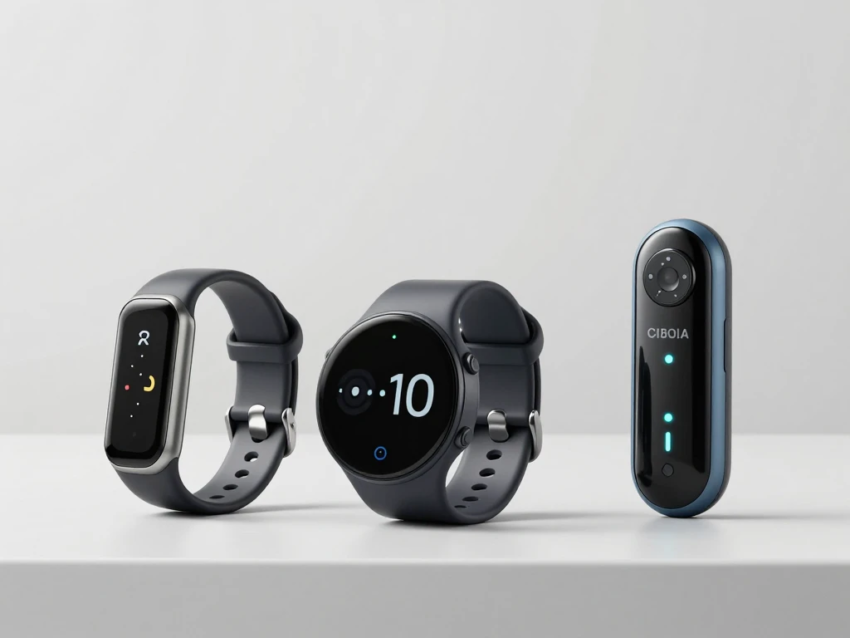
Healthcare and fitness are undergoing a major transformation thanks to artificial intelligence. In 2026, AI Health & Fitness Devices are no longer just simple step counters or heart rate monitors. They have evolved into advanced smart systems capable of analyzing health data, predicting risks, and providing personalized recommendations in real time.
These devices combine artificial intelligence, machine learning, sensors, and cloud computing to help users understand their bodies better than ever before. From smartwatches and fitness bands to AI-powered scales and medical monitoring tools, this technology is shaping the future of preventive healthcare.
In this article, we will explore what AI health and fitness devices are, their features, benefits, applications, challenges, and future potential in modern healthcare.
What Are AI Health & Fitness Devices?
AI Health & Fitness Devices are smart electronic tools that use artificial intelligence to monitor, analyze, and improve human health and physical fitness. These devices collect real-time data from the body using built-in sensors and then process it using AI algorithms.
Unlike traditional fitness devices that only display raw data, AI-powered devices interpret that data and provide meaningful insights such as:
- Health risk alerts
- Personalized workout plans
- Sleep improvement suggestions
- Stress level analysis
- Diet and lifestyle recommendations
Examples include AI smartwatches, smart rings, fitness trackers, AI-enabled blood pressure monitors, and smart body composition scales.
Key Features of AI Health & Fitness Devices
1. Real-Time Health Monitoring
One of the most important features is continuous health tracking. These devices monitor:
- Heart rate
- Blood oxygen (SpO2)
- Sleep cycles
- Stress levels
- Body temperature
- Calorie burn
AI processes this information instantly and provides useful feedback.
2. Predictive Health Analysis
AI can identify early signs of health problems by analyzing patterns in data. For example, it may detect:
- Irregular heartbeat trends
- High stress patterns
- Poor sleep quality over time
- Risk of fatigue or burnout
This helps users take preventive action before serious issues develop.
3. Personalized Fitness Coaching
AI health devices act like a personal trainer. They create customized workout plans based on:
- Age
- Weight
- Fitness level
- Health goals
- Daily activity
They also adjust routines automatically depending on progress.
4. Sleep Tracking and Improvement
Good sleep is essential for overall health. AI devices analyze:
- Deep sleep duration
- Light sleep cycles
- REM sleep patterns
- Night disturbances
Then they suggest improvements such as bedtime routines or relaxation exercises.
5. Stress and Mental Health Tracking
Modern AI devices can measure stress levels using heart rate variability and other signals. They may also suggest:
- Breathing exercises
- Meditation techniques
- Rest recommendations
- Activity adjustments
This helps improve mental well-being.
6. Nutrition and Calorie Tracking
Some advanced devices use AI to estimate calorie intake and suggest diet improvements based on fitness goals such as weight loss or muscle gain.
7. Smart Alerts and Notifications
AI health devices send alerts for:
- Abnormal heart rate
- Low oxygen levels
- Lack of physical activity
- Prolonged sitting
- Hydration reminders
These alerts help users maintain a healthier lifestyle.
Benefits of AI Health & Fitness Devices
Improved Health Awareness
Users gain a deeper understanding of their body and lifestyle habits through continuous monitoring.
Early Disease Detection
AI helps identify potential health risks early, allowing timely medical consultation and prevention.
Better Fitness Results
Personalized workout plans lead to faster and more effective fitness improvements.
Convenience and Accessibility
Users can track their health anytime without visiting clinics or hospitals.
Motivation and Consistency
Daily goals, reminders, and progress tracking help users stay consistent with fitness routines.
Cost-Effective Healthcare
By preventing serious health issues, AI devices can reduce long-term medical costs.
Applications of AI Health & Fitness Devices
Personal Fitness
Individuals use these devices for:
- Weight loss
- Muscle building
- Running and endurance training
- Daily activity tracking
Healthcare Monitoring
Doctors and healthcare providers use AI devices for:
- Remote patient monitoring
- Chronic disease management
- Post-surgery recovery tracking
- Elderly care
Sports and Athletics
Professional athletes rely on AI devices to:
- Improve performance
- Track recovery
- Optimize training intensity
- Prevent injuries
Workplace Wellness
Companies use AI health tools to promote employee well-being by tracking activity levels and stress management.
Elderly Care
AI devices help monitor older adults by detecting falls, tracking vital signs, and sending emergency alerts.
AI Health Devices vs Traditional Fitness Trackers
Traditional fitness trackers only collect basic data like steps and calories. AI-powered devices go much further by:
- Analyzing health trends
- Predicting risks
- Offering personalized advice
- Learning user behavior
- Providing real-time health insights
This makes AI devices far more advanced and useful in daily life.
Challenges of AI Health & Fitness Devices
Data Privacy Concerns
Since these devices collect sensitive health data, privacy and security are major concerns.
Accuracy Limitations
While AI is advanced, it is not always 100% accurate and should not replace medical diagnosis.
High Cost
Advanced AI health devices can be expensive, limiting accessibility for some users.
Battery Life Issues
Continuous monitoring and AI processing can drain battery faster.
Dependence on Technology
Over-reliance on devices may reduce natural awareness of body signals.
Future of AI Health & Fitness Devices
The future of AI-powered healthcare is extremely promising. In the coming years, we can expect:
- Non-invasive blood sugar monitoring
- Real-time disease prediction
- AI-powered virtual doctors
- Advanced mental health detection
- Fully automated health reports
- Integration with hospitals and medical systems
- Smarter wearable ecosystems
- Longer battery life and smaller devices
AI will make healthcare more preventive rather than reactive, focusing on early detection and lifestyle improvement.
How to Choose the Best AI Health & Fitness Device
When selecting a device, consider the following factors:
Health Features
Look for devices that monitor heart rate, sleep, oxygen levels, and stress.
Accuracy
Choose trusted brands with proven sensor accuracy.
Battery Life
Long battery life ensures uninterrupted health tracking.
Comfort
Wearable devices should be lightweight and comfortable for daily use.
App Support
A good mobile app enhances data visualization and insights.
Compatibility
Ensure the device works with your smartphone (Android or iOS).
Why AI Health & Fitness Devices Matter
AI health devices are not just gadgets—they are personal health assistants. They help users live healthier, more active, and more informed lives.
By combining artificial intelligence with health tracking, these devices shift healthcare from treatment to prevention. This makes them a key part of the future of smart healthcare technology.
Conclusion
AI Health & Fitness Devices are revolutionizing the way people manage their health and fitness. With advanced sensors, artificial intelligence, and real-time data analysis, these devices provide personalized insights that help users improve their lifestyle and prevent health issues.
From fitness tracking and sleep monitoring to stress management and predictive health analysis, AI is making healthcare smarter, faster, and more accessible.
Although challenges like privacy and cost still exist, the future of AI health technology is bright. As innovation continues, these devices will become even more accurate, affordable, and essential for everyday life.
In 2026 and beyond, AI Health & Fitness Devices will play a central role in creating a healthier and more connected world.