Technology is evolving at an incredible pace, and wearable devices have become an important part of our daily lives. From smartwatches to fitness trackers, these devices help us stay connected, healthy, and productive. One of the most exciting innovations in wearable technology is AI Smart Glasses. These advanced glasses combine artificial intelligence (AI), augmented reality (AR), voice assistants, cameras, and wireless connectivity to create a smarter and more interactive experience.
AI smart glasses are transforming the way people work, communicate, learn, and navigate the world. Whether you are a student, professional, traveler, or technology enthusiast, these intelligent wearables offer a wide range of useful features. In this article, we will explore the features, benefits, applications, challenges, and future of AI smart glasses.
What Are AI Smart Glasses?
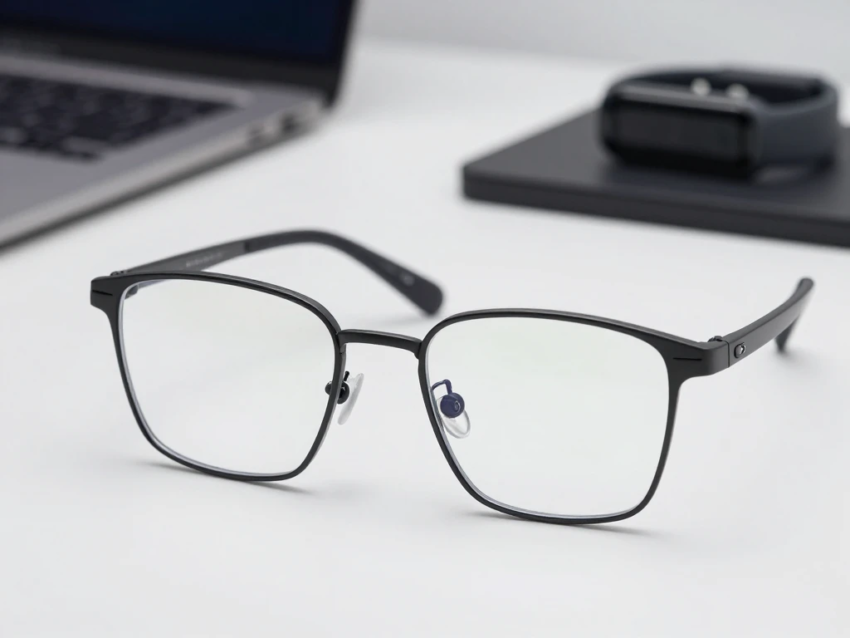
AI Smart Glasses are wearable devices that look similar to regular eyeglasses but include advanced technology such as artificial intelligence, microphones, speakers, cameras, sensors, and wireless connectivity. They provide users with real-time information, voice assistance, navigation, language translation, hands-free communication, and much more.
Unlike traditional glasses, AI smart glasses can understand voice commands, recognize objects, translate languages, capture photos, and even provide contextual information based on what the user is seeing.
Key Features of AI Smart Glasses
1. Artificial Intelligence Integration
The most important feature of AI smart glasses is artificial intelligence. AI enables the glasses to recognize faces, identify objects, answer questions, provide recommendations, and automate everyday tasks.
2. Voice Assistant Support
Most AI smart glasses include built-in voice assistants that allow users to perform actions without touching their devices. Users can make calls, send messages, search the web, play music, or ask questions using simple voice commands.
3. Augmented Reality (AR)
Some AI smart glasses display digital information directly in front of the user’s eyes using augmented reality. This feature is useful for navigation, education, gaming, industrial work, and training.
4. Built-in Camera
Many AI smart glasses include high-quality cameras that allow users to capture photos and videos from a first-person perspective. This hands-free recording is ideal for travelers, content creators, and professionals.
5. Real-Time Translation
Language barriers become much smaller with AI-powered translation. Smart glasses can translate conversations in real time, making international travel and business communication easier.
6. Navigation Assistance
AI smart glasses provide turn-by-turn navigation without requiring users to constantly look at their smartphones. Directions appear visually or through audio guidance.
7. Audio Speakers
Open-ear speakers let users listen to music, receive notifications, and answer phone calls while still hearing their surroundings, improving both convenience and safety.
8. Wireless Connectivity
Modern AI smart glasses connect to smartphones through Bluetooth and Wi-Fi, allowing seamless access to notifications, apps, and cloud services.
Benefits of AI Smart Glasses
Hands-Free Convenience
One of the biggest advantages of AI smart glasses is hands-free operation. Users can perform multiple tasks without holding a smartphone, making daily activities more efficient.
Increased Productivity
Professionals can access important information instantly, attend virtual meetings, receive instructions, and communicate with colleagues while working.
Improved Accessibility
AI smart glasses help people with visual impairments by recognizing objects, reading text aloud, and identifying obstacles. This technology significantly improves independence.
Better Learning Experience
Students can use AI smart glasses for interactive education, virtual laboratories, language learning, and real-time information access.
Enhanced Travel Experience
Travelers benefit from live translation, navigation, local recommendations, and instant access to travel information without needing to constantly check their phones.
Fitness and Outdoor Activities
Athletes and fitness enthusiasts can monitor workouts, receive coaching, track routes, and stay connected while keeping their hands free.
Applications of AI Smart Glasses
Healthcare
Doctors and surgeons can use AI smart glasses to access patient records, receive remote expert guidance, and improve surgical precision.
Education
Teachers can create immersive learning experiences while students benefit from interactive lessons, virtual demonstrations, and AI-powered educational support.
Manufacturing
Industrial workers receive step-by-step instructions, safety alerts, and equipment information without interrupting their workflow.
Retail
Retail employees can quickly access inventory information, assist customers more efficiently, and improve shopping experiences.
Logistics
Warehouse workers use AI smart glasses to locate products, manage inventory, and increase operational efficiency.
Tourism
Tourists enjoy real-time translation, historical information, navigation, and local recommendations while exploring new destinations.
AI Smart Glasses vs Traditional Smart Glasses
Traditional smart glasses mainly focus on displaying notifications and basic connectivity features. AI smart glasses go much further by understanding user behavior, recognizing objects, processing voice commands, translating languages, and delivering personalized assistance through artificial intelligence.
This intelligent functionality makes AI smart glasses significantly more powerful and practical for everyday use.
Challenges of AI Smart Glasses
Privacy Concerns
Built-in cameras and microphones raise privacy issues. People may worry about being recorded without permission, making privacy protection an important consideration.
Battery Life
Advanced AI features consume significant power. Manufacturers continue working to improve battery efficiency for longer usage.
High Cost
Premium AI smart glasses can be expensive, limiting adoption among budget-conscious consumers.
Internet Dependency
Many AI features require an internet connection for cloud-based processing, although offline capabilities continue to improve.
Social Acceptance
Some users may feel uncomfortable wearing smart glasses in public until the technology becomes more common and socially accepted.
Future of AI Smart Glasses
The future of AI smart glasses looks extremely promising. As artificial intelligence continues to improve, these devices will become smarter, lighter, faster, and more affordable.
Future AI smart glasses may include:
- Advanced AI assistants capable of natural conversations.
- Improved augmented reality displays.
- Better battery life and faster charging.
- Enhanced health monitoring sensors.
- Automatic object recognition with higher accuracy.
- Seamless integration with smart homes and connected devices.
- More compact and fashionable designs.
- Offline AI capabilities for greater privacy and speed.
Experts believe AI smart glasses could eventually replace smartphones for many everyday tasks, offering users a more natural and immersive computing experience.
How to Choose the Best AI Smart Glasses
Before purchasing AI smart glasses, consider the following factors:
- AI capabilities and voice assistant support.
- Camera quality.
- Battery life.
- Comfort and lightweight design.
- Display quality (if AR features are included).
- Audio performance.
- Smartphone compatibility.
- Privacy and security features.
- Software updates.
- Price and warranty.
Choosing the right model depends on your personal needs, whether for work, travel, fitness, education, or entertainment.
Why AI Smart Glasses Matter
AI smart glasses represent a major shift in wearable technology. Instead of constantly checking smartphones, users can access information naturally through voice, vision, and artificial intelligence.
Businesses are already adopting AI smart glasses to improve productivity, reduce errors, and enhance customer service. Consumers also benefit from increased convenience, accessibility, and connectivity.
As AI technology becomes more advanced, these glasses will become an essential part of everyday life.
Conclusion
AI Smart Glasses are changing the future of wearable technology by combining artificial intelligence, augmented reality, voice recognition, cameras, and smart connectivity into one compact device. They provide hands-free convenience, improve productivity, enhance accessibility, and offer exciting new possibilities across industries such as healthcare, education, manufacturing, retail, and travel.
Although challenges such as privacy, battery life, and cost still exist, continuous innovation is making AI smart glasses more practical and affordable every year. As technology evolves, these intelligent wearables are expected to become an essential companion for both personal and professional use.
Whether you are looking for smarter communication, better navigation, enhanced learning, or improved workplace efficiency, AI smart glasses are shaping the next generation of digital experiences. The future of wearable technology is not only smart—it is powered by artificial intelligence.
Frequently Asked Questions (FAQs)
1. What are AI Smart Glasses?
AI Smart Glasses are wearable devices that use artificial intelligence to provide voice assistance, navigation, translation, photography, and hands-free communication.
2. Are AI Smart Glasses worth buying?
Yes, they are valuable for professionals, travelers, students, and anyone seeking hands-free access to information and smart features.
3. Can AI Smart Glasses replace smartphones?
While they cannot fully replace smartphones yet, future advancements may allow them to perform many everyday smartphone tasks.
Technology is evolving at an incredible pace, and wearable devices have become an important part of our daily lives. From smartwatches to fitness trackers, these devices help us stay connected, healthy, and productive. One of the most exciting innovations in wearable technology is AI Smart Glasses. These advanced glasses combine artificial intelligence (AI), augmented reality (AR), voice assistants, cameras, and wireless connectivity to create a smarter and more interactive experience.
AI smart glasses are transforming the way people work, communicate, learn, and navigate the world. Whether you are a student, professional, traveler, or technology enthusiast, these intelligent wearables offer a wide range of useful features. In this article, we will explore the features, benefits, applications, challenges, and future of AI smart glasses.
What Are AI Smart Glasses?
AI Smart Glasses are wearable devices that look similar to regular eyeglasses but include advanced technology such as artificial intelligence, microphones, speakers, cameras, sensors, and wireless connectivity. They provide users with real-time information, voice assistance, navigation, language translation, hands-free communication, and much more.
Unlike traditional glasses, AI smart glasses can understand voice commands, recognize objects, translate languages, capture photos, and even provide contextual information based on what the user is seeing.
Key Features of AI Smart Glasses
1. Artificial Intelligence Integration
The most important feature of AI smart glasses is artificial intelligence. AI enables the glasses to recognize faces, identify objects, answer questions, provide recommendations, and automate everyday tasks.
2. Voice Assistant Support
Most AI smart glasses include built-in voice assistants that allow users to perform actions without touching their devices. Users can make calls, send messages, search the web, play music, or ask questions using simple voice commands.
3. Augmented Reality (AR)
Some AI smart glasses display digital information directly in front of the user’s eyes using augmented reality. This feature is useful for navigation, education, gaming, industrial work, and training.
4. Built-in Camera
Many AI smart glasses include high-quality cameras that allow users to capture photos and videos from a first-person perspective. This hands-free recording is ideal for travelers, content creators, and professionals.
5. Real-Time Translation
Language barriers become much smaller with AI-powered translation. Smart glasses can translate conversations in real time, making international travel and business communication easier.
6. Navigation Assistance
AI smart glasses provide turn-by-turn navigation without requiring users to constantly look at their smartphones. Directions appear visually or through audio guidance.
7. Audio Speakers
Open-ear speakers let users listen to music, receive notifications, and answer phone calls while still hearing their surroundings, improving both convenience and safety.
8. Wireless Connectivity
Modern AI smart glasses connect to smartphones through Bluetooth and Wi-Fi, allowing seamless access to notifications, apps, and cloud services.
Benefits of AI Smart Glasses
Hands-Free Convenience
One of the biggest advantages of AI smart glasses is hands-free operation. Users can perform multiple tasks without holding a smartphone, making daily activities more efficient.
Increased Productivity
Professionals can access important information instantly, attend virtual meetings, receive instructions, and communicate with colleagues while working.
Improved Accessibility
AI smart glasses help people with visual impairments by recognizing objects, reading text aloud, and identifying obstacles. This technology significantly improves independence.
Better Learning Experience
Students can use AI smart glasses for interactive education, virtual laboratories, language learning, and real-time information access.
Enhanced Travel Experience
Travelers benefit from live translation, navigation, local recommendations, and instant access to travel information without needing to constantly check their phones.
Fitness and Outdoor Activities
Athletes and fitness enthusiasts can monitor workouts, receive coaching, track routes, and stay connected while keeping their hands free.
Applications of AI Smart Glasses
Healthcare
Doctors and surgeons can use AI smart glasses to access patient records, receive remote expert guidance, and improve surgical precision.
Education
Teachers can create immersive learning experiences while students benefit from interactive lessons, virtual demonstrations, and AI-powered educational support.
Manufacturing
Industrial workers receive step-by-step instructions, safety alerts, and equipment information without interrupting their workflow.
Retail
Retail employees can quickly access inventory information, assist customers more efficiently, and improve shopping experiences.
Logistics
Warehouse workers use AI smart glasses to locate products, manage inventory, and increase operational efficiency.
Tourism
Tourists enjoy real-time translation, historical information, navigation, and local recommendations while exploring new destinations.
AI Smart Glasses vs Traditional Smart Glasses
Traditional smart glasses mainly focus on displaying notifications and basic connectivity features. AI smart glasses go much further by understanding user behavior, recognizing objects, processing voice commands, translating languages, and delivering personalized assistance through artificial intelligence.
This intelligent functionality makes AI smart glasses significantly more powerful and practical for everyday use.
Challenges of AI Smart Glasses
Privacy Concerns
Built-in cameras and microphones raise privacy issues. People may worry about being recorded without permission, making privacy protection an important consideration.
Battery Life
Advanced AI features consume significant power. Manufacturers continue working to improve battery efficiency for longer usage.
High Cost
Premium AI smart glasses can be expensive, limiting adoption among budget-conscious consumers.
Internet Dependency
Many AI features require an internet connection for cloud-based processing, although offline capabilities continue to improve.
Social Acceptance
Some users may feel uncomfortable wearing smart glasses in public until the technology becomes more common and socially accepted.
Future of AI Smart Glasses
The future of AI smart glasses looks extremely promising. As artificial intelligence continues to improve, these devices will become smarter, lighter, faster, and more affordable.
Future AI smart glasses may include:
- Advanced AI assistants capable of natural conversations.
- Improved augmented reality displays.
- Better battery life and faster charging.
- Enhanced health monitoring sensors.
- Automatic object recognition with higher accuracy.
- Seamless integration with smart homes and connected devices.
- More compact and fashionable designs.
- Offline AI capabilities for greater privacy and speed.
Experts believe AI smart glasses could eventually replace smartphones for many everyday tasks, offering users a more natural and immersive computing experience.
How to Choose the Best AI Smart Glasses
Before purchasing AI smart glasses, consider the following factors:
- AI capabilities and voice assistant support.
- Camera quality.
- Battery life.
- Comfort and lightweight design.
- Display quality (if AR features are included).
- Audio performance.
- Smartphone compatibility.
- Privacy and security features.
- Software updates.
- Price and warranty.
Choosing the right model depends on your personal needs, whether for work, travel, fitness, education, or entertainment.
Why AI Smart Glasses Matter
AI smart glasses represent a major shift in wearable technology. Instead of constantly checking smartphones, users can access information naturally through voice, vision, and artificial intelligence.
Businesses are already adopting AI smart glasses to improve productivity, reduce errors, and enhance customer service. Consumers also benefit from increased convenience, accessibility, and connectivity.
As AI technology becomes more advanced, these glasses will become an essential part of everyday life.
Conclusion
AI Smart Glasses are changing the future of wearable technology by combining artificial intelligence, augmented reality, voice recognition, cameras, and smart connectivity into one compact device. They provide hands-free convenience, improve productivity, enhance accessibility, and offer exciting new possibilities across industries such as healthcare, education, manufacturing, retail, and travel.
Although challenges such as privacy, battery life, and cost still exist, continuous innovation is making AI smart glasses more practical and affordable every year. As technology evolves, these intelligent wearables are expected to become an essential companion for both personal and professional use.
Whether you are looking for smarter communication, better navigation, enhanced learning, or improved workplace efficiency, AI smart glasses are shaping the next generation of digital experiences. The future of wearable technology is not only smart—it is powered by artificial intelligence.
Frequently Asked Questions (FAQs)
1. What are AI Smart Glasses?
AI Smart Glasses are wearable devices that use artificial intelligence to provide voice assistance, navigation, translation, photography, and hands-free communication.
2. Are AI Smart Glasses worth buying?
Yes, they are valuable for professionals, travelers, students, and anyone seeking hands-free access to information and smart features.
3. Can AI Smart Glasses replace smartphones?
While they cannot fully replace smartphones yet, future advancements may allow them to perform many everyday smartphone tasks.